A CEO, or Chief Executive Officer, is the most senior corporate officer or administrator in charge of a company. Great CEOs have many qualities that set them apart from other leaders in their fields. They are typically strong communicators and have excellent negotiation skills. They also have a clear vision for their company and are able to inspire others to achieve it.
As the head of a company, the CEO’s job is to make sure that all the pieces of the business are working together efficiently and effectively. If you are just starting your business, or if you are a young or small company, congratulations! You are probably the CEO!
Now let’s see if we can give you some tips to make you a better one. Part of being the CEO is having a vision for your company. Figure out what your company stands for and what you want it to achieve. Great CEOs communicate this vision to their employees and shareholders and make sure everyone is on board. Another important part of the CEO’s job is ensuring the company is profitable. This means keeping costs under control and generating revenue.
To do this, CEOs need to be good at financial planning and have a keen eye for new business opportunities. Finally, CEOs must be able to manage risk. This means being aware of potential problems that could arise and taking steps to avoid them. By following these tips, you can be on your way to becoming a great CEO!
Owning your own company is the dream of many people who climb the corporate ladder. But what does it take to be a successful CEO? Here are some qualities that are essential for any good CEO.

First and foremost, a good CEO is a good leader. They inspire their team to work hard and achieve common goals. They motivate their employees and provide them with the resources they need to succeed. In addition, a good CEO is also a good communicator. They clearly spell out expectations and listen to feedback from their team. They make sure that everyone is on the same page and that there are no misunderstandings.
A good CEO is also able to make tough decisions. When faced with difficult choices, they consider all the options and make the best decision for the company. They are not afraid to take risks, but at the same time, they know when to play it safe. In addition, a good CEO is always learning. They are constantly expanding their knowledge and keeping up with industry trends. They know that in order to be successful, they need to continue growing and evolving.
These are just some of the qualities that make a good CEO. If you have these qualities, then you may have what it takes to run your own business.
In today’s business climate, the chief executive officer (CEO) occupies a pivotal role. As the head of a company, the CEO is responsible for setting the strategic direction and overseeing all aspects of operations. In order to be successful, CEOs must have a deep sense of their company’s mission and values. They must also be able to articulate a clear vision for the future and inspire those around them to achieve it. Great CEOs possess outstanding communication and leadership skills, as well as the ability to make tough decisions in times of crisis.
If you’re considering becoming a CEO, it’s important to understand what the job entails and whether you have what it takes to succeed.
There’s no one formula for success when it comes to becoming a CEO, but there are certainly some key characteristics and qualities that great CEOs share. If you’re looking to become a CEO or move up the corporate ladder, here are some tips to help you become better:
Passion is one of the key ingredients for success in any field, but it’s especially important for CEOs. You need to be passionate about your company’s mission and values and truly believe in what you’re doing in order to inspire others to do the same.
CEOs need to be strong leaders who can inspire and motivate their employees. You need to be able to articulate your vision for the company and get others on board with your plans. It’s also important to be able to make tough decisions and stand by them, even when they’re not popular.
Effective communication is essential for CEOs. You need to be able to clearly articulate your vision and goals to your employees, shareholders, and the public. You also need to be able to listen to feedback and input from others in order to make the best decisions for the company.
As a CEO, you need to be able to think strategically about the future of the company. You need to be able to make long-term plans and decisions that will help the company grow and succeed.
The ability to adapt and change is important for all businesses, but it’s especially important for CEOs. The business world is constantly changing, and you need to be able to change with it. You need to be able to adapt your plans and strategies as the world around you changes so that you can always stay one step ahead.
There will be times as a CEO when things don’t go according to plan. You need to be able to handle setbacks and failures with grace and resilience. You can’t let setbacks get you down – you need to pick yourself up and keep moving forward.
As a CEO, you need to be able to make tough decisions quickly. You can’t hesitate or second-guess yourself – you need to be confident in your decisions and act decisively.
Despite being the leader of the company, CEOs need to be able to work well with others. You need to be able to build strong relationships with your employees and collaborate with other leaders in order to achieve success.
Patience is important for CEOs because it can take years to achieve long-term goals. You need to be able to stick with your plans even when there are setbacks and challenges. You can’t give up – you need to keep moving forward until you reach your goals.
Despite your position of power, it’s important to stay humble as a CEO. You need to remember that you’re not perfect and that you can always learn from others. soliciting feedback and input from your employees will help you become a better leader.
Becoming a CEO takes hard work, dedication, and determination. If you have these qualities, you’ll be well on your way to becoming a great CEO.
A CEO is responsible for the day-to-day operations of a company, but he or she also reports to a board of directors. This board is made up of people from different industries and with different experiences. Their job is to provide the CEO with different perspectives and advice on how to handle things based on their experience. This allows the CEO to make better decisions more quickly and with a stronger learning curve. In order to be an effective CEO, it is important to have business development skills and the ability to lead and motivate people. An outstanding career path in business development will help deliver these skills. With the right team in place, a CEO can achieve great things.
Harvard Business School Dean Nitin Nohria has said that ” CEOs who have had a variety of experiences build better teams and are better communicators and decision makers.” This is because they have been exposed to a wider range of people and situations, and as a result, they have a better understanding of how to manage different types of people and handle different types of problems. Furthermore, CEO candidates with more experience tend to be better at networking, which is essential for building strong relationships with clients, customers, and other important stakeholders.
And while the average age of a CEO is 53, experience is not necessarily something that comes with age. Rather, it is something that can be gained through exposure to different environments and challenges. As such, there is no one-size-fits-all formula for becoming a CEO. However, those who have had a variety of experiences often have an advantage when it comes to leading organizations.
Ray Kroc, Steve Jobs, Henry Ford, and Abraham Lincoln are all examples of successful CEOs who didn’t have an easy road to the top. Kroc started McDonald’s at the age of fifty-one, after a career in sales. Jobs was famously fired from Apple before he went on to start another successful company that was later acquired by Apple. Ford had two failed car companies before he found success with Ford Motors. And Lincoln was demoted from captain to private during the war before he became president. These examples show that it’s never too late to achieve success, even if you’ve had some setbacks along the way.
Being a CEO is not for the faint of heart. In addition to being responsible for the overall success or failure of a company, CEOs must also deal with a variety of challenges on a daily basis. For example, they must make difficult decisions that could have a major impact on the company’s bottom line. They also must juggle the competing demands of shareholders, employees, and customers. In addition, they must liaise with other executives and board members to ensure that everyone is on the same page.

Not to mention, they must also stay up-to-date with industry trends and developments. As you can see, CEOs have their work cut out for them. But despite all of these challenges, many still find the role to be immensely rewarding. After all, there are few things more gratifying than being at the helm of a successful company.
Anyone in a position of power is bound to have a lot of advantages, and being a CEO is no different. As the head of a company, a CEO has the final say over all the important decisions that are made. They also have a great deal of financial security, as they are typically paid very well for their services. In addition, CEOs often have a lot of perks, such as access to private jets and luxurious vacation homes. However, there are also some disadvantages to being a CEO.
For one thing, it can be a very demanding job, and CEOs often have to work long hours. Additionally, they are under a lot of pressure to perform well, and if the company does not do well, they may be fired. Overall, being a CEO is a high-risk/high-reward proposition. Those who are successful can enjoy a life of luxury, while those who fail can end up unemployed and penniless.
As a CEO, you will be constantly pushed outside of your comfort zone. Embrace this and learn to thrive in uncomfortable situations.
In order to be successful, you have to be willing to take risks. This means being okay with occasional failure.
You need to believe in yourself and your ability to lead in order to be an effective CEO. Others will only have confidence in you if you display confidence first.
Part of being a successful CEO is being able to make quick, informed decisions. Practice making decisions under pressure so that you can do so confidently when it matters most.
Your passion will be what drives you to achieve your goals. Without passion, you will quickly lose motivation and interest in your work.
No matter how challenging things get, it is important to maintain focus and keep moving forward. Remember why you started down this path and let that be your motivation to keep going.
Things will never go exactly as planned, so it is important to be flexible in your approach. Be open to new ideas and willing to pivot when necessary.
Even the most successful CEOs need help and guidance from time to time. Be open to feedback and willing to learn from those who know more than you do.
As a CEO, you will be responsible for communicating your vision to others. Practice clear and concise communication in order to get your point across effectively.
As the leader of a company, you will be looked up to by others. It is important to set a good example and be someone that others can respect.
A CEO’s life is not an easy one. In fact, it’s quite the opposite. The world and the system are both designed for you to be average. They are not designed for you to succeed. This doesn’t mean that you can’t succeed, but it does mean that you have to work harder and smarter than everyone else. You have to be willing to put in the long hours and make sacrifices. But if you do, the rewards can be great. You can achieve things that most people only dream of. So if you’re up for the challenge, don’t let anyone stop you from reaching your goals; don’t be afraid to take risks.
Conclusion paragraph: In order to be a CEO, you need to have qualities like integrity, intelligence, and courage. You also need to be able to take charge and make decisions. The role of a CEO is not easy, but it can be very rewarding. If you are aspiring to become a CEO one day, read my book for more information about the challenges and advantages of this position. I hope that this article has helped you understand what it takes to be a CEO and what the role entails. Thank you for reading!
Business management from the bottom up is a business management style that focuses on empowering employees and giving them the tools they need to be successful. This approach encourages employees to take ownership of their work and take responsibility for their own performance. In addition, bottom-up business management provides opportunities for employees to share their ideas and suggestions with management. As a result, this type of business management can create a more collaborative and innovative work environment.
In contrast, top-down business management is a more traditional approach that focuses on hierarchical structures and clear lines of authority. In this type of business management, decisions are typically made by senior managers and then communicated down the chain of command. This approach can be effective in situations where quick decisions are needed or when there is a need for clear lines of authority. However, it can also lead to a less open and creative work environment.
There are a variety of different management styles that businesses can adopt, but one of the most effective is bottom-up management. This approach focuses on empowering employees and giving them a voice in how the company is run. Research has shown that this leads to more engaged and productive employees, which in turn boosts the bottom line. In addition, bottom-up management fosters a culture of creativity and innovation, as employees feel free to share new ideas and take risks. This can help businesses stay ahead of the curve and maintain a competitive edge.
Finally, bottom-up management is simply more efficient than top-down management, as decisions are made closer to the source of the problem. For all these reasons, it’s clear that business Management from the bottom up is a valuable tool for any organization.
Encourage employees to take risks, experiment, and come up with new ideas. Be open to change and willing to implement new ideas that can improve the business. Reward employees for their creativity and innovation with bonuses, raises or other incentives.
Work as a team to achieve common goals. Encourage employees to share ideas and brainstorm solutions together. Help employees build trust and respect for each other so they can work together effectively.
Keep employees informed about company goals, plans and news. Encourage two-way communication so employees can give feedback and feel like their voices are heard. Use different communication channels such as memos, emails, newsletters, team meetings, and one-on-one conversations.
Give employees the opportunity to take on more responsibility and grow in their roles. Delegating tasks and projects can help employees feel empowered and motivated to contribute to the business.
Invest in employee training and development to help them improve their skills and knowledge. Provide employees with the resources and opportunities they need to learn new things and grow in their careers.

Encourage employees to maintain a healthy work-life balance. Offer flexible work hours, telecommuting options, and other ways to make it easier for employees to manage their work and personal lives.
Offer competitive salaries and benefits packages to attract and retain top talent. Review salaries regularly to ensure they remain competitive and adjust them as needed.
Show appreciation for employee efforts and achievements. Recognize employees in front of their peers, give them awards or bonus payments, and write them positive performance reviews.
Ask employees for their ideas and suggestions on how to improve the business. Be open to new ideas and willing to make changes based on employee feedback.
In today’s business climate, it’s more important than ever to be profitable. That means taking a hard look at your expenses and making sure that every person on your team is contributing to the bottom line. A bottom-up management style is critical in this environment, as it allows you to make decisions based on data rather than emotion.
Don’t be afraid to make bold cuts; if someone is not contributing to the bottom line, they need to go. Managing fewer people with less overhead is the key to profitability in today’s market.
Bottom-up management is a decision-making approach where employees are encouraged to come up with ideas and solutions which are then passed on to their managers. This style of management has a number of benefits for businesses. Bottom-up management can lead to increased creativity and innovation as employees feel empowered to suggest new ideas. This can result in improved efficiency and productivity as businesses benefit from the fresh perspectives of their employees.
In addition, bottom-up management can help to build team morale and engagement as employees feel valued and appreciated for their contributions. As a result, businesses that adopt a bottom-up management style are more likely to prosper in the long term.
When employees are empowered to contribute to decision-making and goal setting, they are more likely to be engaged in their work and committed to achieving results.
With a bottom-up management style, communication is typically more open and fluid since everyone is encouraged to share their ideas and feedback.
When employees are given the freedom to be creative and innovative, businesses can reap the benefits in terms of new and improved products, services, and processes.
Employees who feel that their voices are heard and that their contributions are valued are typically more motivated to do their best work.
A bottom-up management style can promote a positive, supportive work environment where employees feel good about their jobs and are more likely to stay with the company.
Employees who have a say in how things are done tend to be more satisfied with their jobs overall.
When everyone is working together towards common goals, it can foster a stronger sense of teamwork and camaraderie.
When employees are empowered to make decisions, they are better able to resolve customer issues in a timely and efficient manner.
A bottom-up management style can make businesses more agile and adaptable, allowing them to quickly respond to changes in the marketplace.
When businesses delegate authority to lower-level employees, it can save on costs associated with hiring and training new managers.
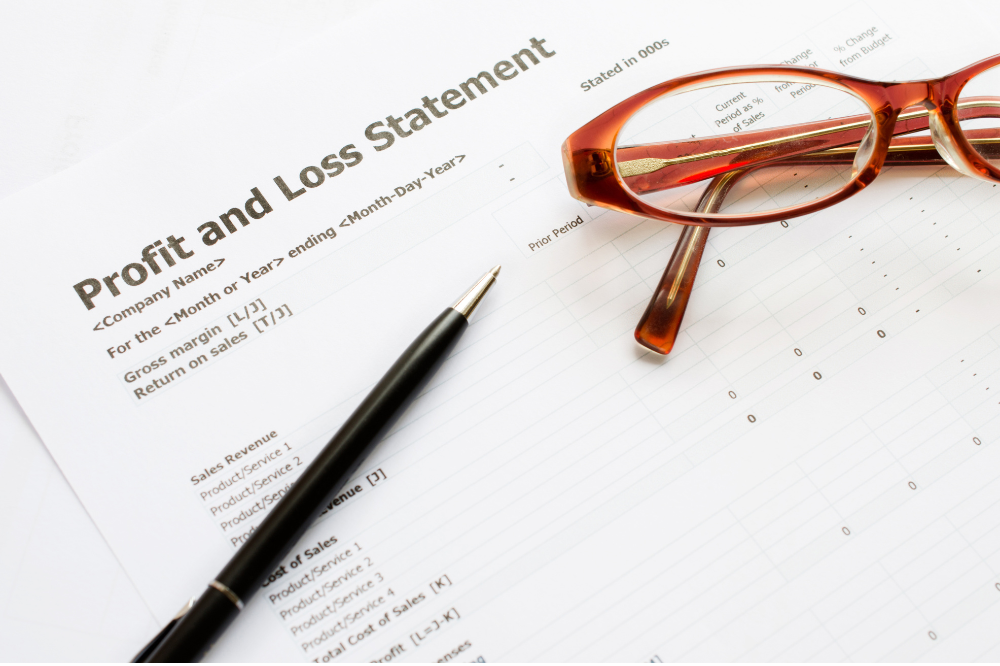
Management styles vary depending on the company and the specific industry. However, one common thread among all successful businesses is the ability to adapt to change. This can be seen in the way that they make decisions, with many companies adopting a bottom-up approach. This means taking into account the individual P&Ls of each salesperson, as well as the overall P&L of the company.
By understanding both the micro and macro levels of the business, companies can make more informed decisions that lead to increased profits. In today’s constantly changing business landscape, this type of adaptability is essential for long-term success.
By analyzing profit and loss data, managers can adapt their decision-making approach to be more effective. For example, a manager who is used to a top-down style of management may find that a bottom-up approach is more effective in dealing with profit and loss. Similarly, a manager who is used to making decisions based on a gut instinct may find that a more data-driven approach is necessary to effectively manage profit and loss. The key is to be able to adapt one’s management style to the needs of the business. By doing so, managers can make better decisions and improve the bottom line.
When it comes to running a successful business, profit and loss (P&L) analysis is an essential tool. This type of analysis can help you to understand where your company is making and losing money, and it can also give you insights into which areas of your business are most efficient. When analyzing your P&L statement, it’s important to consider both the direct and indirect costs associated with each area of your business.
For example, if you’re trying to decide whether to invest in a new piece of equipment, you’ll need to consider not only the cost of the equipment itself but also the cost of maintenance, training, and other associated expenses. Similarly, when considering the cost of hiring new employees, you’ll need to take into account things like benefits, payroll taxes, and office space. By taking all of these factors into account, you can get a more accurate picture of your company’s overall financial health and make more informed decisions about where to allocate your resources and which management style you need to adapt.
P&L analysis is an important tool for any business owner or manager. By looking at your business’s income and expenses, you can get a clear picture of where your money is going and where you can cut costs. To do a P&L analysis, start by gathering all of your financial statements for the past year. Then, create a table with two columns, one for income and one for expenses. Include all sources of income, such as sales revenue, investment income, and government grants.
For expenses, include things like cost of goods sold, payroll, rent, and marketing. Once you have all of your numbers entered, take a close look at the totals for each category. Are your expenses higher than your income? If so, you’ll need to find ways to cut costs or increase revenue. By doing a P&L analysis on a regular basis, you can keep your business on track and make informed decisions about where to invest your resources.
Top-down management is a style of business management where decisions flow from upper management to lower levels of employees. This type of management can be beneficial in ensuring that everyone is on the same page and working towards the same goals. However, there are also a number of potential drawbacks to this approach. One is that it can lead to a feeling of disconnection among employees, who may feel that their opinions are not valued or that they have no input in decision-making.
This can lead to frustration and decreased motivation. Additionally, this type of management can often be inflexible, which can make it difficult to respond quickly to changes in the market or within the company. Ultimately, while top-down management has its advantages, there are also some significant drawbacks that should be taken into consideration.
Here we have listed the drawbacks you can face in the top-down management style,
When business is managed from the top down, there is often a lack of creativity and innovation. This is because employees are not encouraged to think outside the box or come up with new ideas.
When business is managed from the top down, there is often no room for error. This is because employees are not given the opportunity to make mistakes and learn from them.
When business is managed from the top down, employees often feel high levels of stress and anxiety. This is because they are constantly under pressure to perform at a high level and meet the expectations of their superiors.
When business is managed from the top down, employees often have limited autonomy and freedom. This is because they are not given the opportunity to make decisions or take initiative.
When business is managed from the top down, there are often rigid hierarchies and rules. This can make it difficult for employees to progress and develop within the company.
When business is managed from the top down, there is often a lack of trust and transparency between employees and their superiors. This can lead to tension and conflict within the workplace.
When business is managed from the top down, there is often poor communication between employees and their superiors. This can lead to misunderstandings and frustration.
When business is managed from the top down, decision-making is often ineffective. This is because decisions are made without consulting employees or taking their opinions into account.
When business is managed from the top down, employees often have reduced morale and motivation. This is because they feel unvalued and unappreciated.
When business is managed from the top down, it can create a demotivating and stressful working environment. This can lead to employees feeling resentful and unhappy in their jobs.
In a “bottom-up” business management approach, decisions are made by lower-level employees and then communicated to upper-level managers. In contrast, a “top-down” approach starts with decisions made by upper-level managers, who then communicate them down the chain of command. There are pros and cons to each approach. Supporters of bottom-up management argue that it leads to better decision-making since employees closest to the action have the most firsthand knowledge about what is going on. They also contend that this approach builds morale since employees feel empowered to make decisions and have a say in how the company is run. Critics of bottom-up management, however, point out that it can lead to confusion and delays, as decisions are passed up and down the chain of command. They also argue that this approach can breed frustration among employees, who may feel their opinions are not being heard. Ultimately, there is no right or wrong answer when it comes to choosing between a bottom-up and top-down management approach.
The key is to find what works best for your company and your employees.
But being a millionaire after learning from 20 business failures, I recommend adapting the bottom -up management approach. As I write in my book, “The individual P&L actually operates as a mini P&L at the micro level, inside the company’s overall P&L, which is at a macro level. That mini P&L has income and expenses and should generate a profit for the company. I call this strategy “BOTTOM UP management and P&L analysis”.
In business, management is often thought of as something that happens at the top levels of an organization. However, effective management starts at the bottom and works its way up. By empowering employees and giving them the tools they need to be successful, businesses can create a foundation for success that starts from the ground up. Here are a few ways to implement business management from the bottom up in your organization:
1. Encourage employee input and feedback. Employees should feel like their voices are being heard and that their opinions matter. Encourage open communication by setting up regular meetings or creating an anonymous feedback system.
2. Give employees the resources they need to succeed. Providing employees with the tools and resources they need to do their jobs effectively will help them feel supported in their roles. This could include anything from training materials to necessary equipment.
3. Foster a culture of respect and collaboration. Creating a positive work environment where employees feel respected and valued is essential for any organization. Encourage teamwork and collaboration by promoting open communication and positive reinforcement.
By implementing these practices, businesses can start to build an effective management system from the bottom up. By engaging employees and giving them the resources they need to succeed, businesses can create a foundation for success that starts from within.
Conclusion paragraph: There is no one-size-fits-all answer to the question of how business management should be done. However, by understanding the benefits and drawbacks of both the top-down and bottom-up approaches, you can make a more informed decision about which approach will work best for your organization. If you’re looking for more in-depth information on implementing a bottom-up business management strategy, I highly recommend my book, “37 Business Lessons on How to Succeed in Business With No Money, No Education, and No Clue”.
It dives into this topic in much greater detail and provides case studies and examples of businesses that have successfully implemented a bottom-up management approach.
Taking advantage of someone usually requires that the person behaving badly has some kind of power over the other person. For example, a boss can take advantage of an employee by requiring them to work long hours for little pay. A family member can take advantage of another family member by asking for money or favors that they know they cannot repay. In both cases, the person taking advantage of the other is doing so in order to benefit themselves, at the expense of the other person.
While it might be possible to get away with taking advantage of someone once or twice, eventually the other person will catch on and (likely) retaliate in some way. Taking advantage of others is not a sustainable or healthy way to live one’s life.
It is human nature to want to trust others and see the best in them. However, this can also leave us vulnerable to being taken advantage of. That’s why it’s important to be aware of the potential for negative behavior in others and not be afraid to look for it. After all, if we don’t watch out for ourselves, who will? By being on the lookout for red flags and unhealthy behaviors, we can protect ourselves from being manipulated or taken advantage of. We can also set boundaries with others, and make sure that our own needs are being met. Ultimately, looking for what’s wrong with others is a necessary part of life if we want to maintain our self-respect and live a healthy life.

People are often dishonest because they feel like they need to take advantage of others in order to get ahead. They see other people being dishonest and successful, and so they think that in order to achieve similar success, they need to behave in the same way. They rationalize their dishonesty by telling themselves that everyone else is doing it, so they need to as well in order to level the playing field. Additionally, they may feel like they need to take advantage of others in order to improve their own life circumstances. They may believe that if they don’t take advantage of others, then someone else will take advantage of them. Finally, some people may be dishonest because they simply don’t have any self-respect. They may not believe in themselves or their abilities, and so they feel like they need to resort to dishonest behaviors in order to get what they want. In essence, people are often dishonest because they feel like it’s the only way to get ahead in life. Be honest in what are you doing.
“Never forget that you are building YOUR family’s future first”
This is what I shared in my book as well.

It can be difficult to tell when someone is trying to take advantage of you. They may be very charming and seem like they have your best interests at heart, but their actions may tell a different story. There are a few key signs that you should be aware of that may indicate that someone is trying to take advantage of you.
First, pay attention to how the other person treats you. Do they regularly try to put you down or make you feel bad about yourself? If so, they may be trying to take advantage of your low self-esteem. Second, take note of how much they ask for from you. Are they always asking for favors or help, but never returning the favor? If so, they may be taking advantage of your goodwill. Finally, beware of anyone who tries to control or manipulate you. If someone is constantly trying to control what you do or who you see, they may be taking advantage of your situation.
If you suspect that someone is taking advantage of you, it’s important to take action. Talk to a trusted friend or family member about your concerns, and consider speaking with the person directly. Remember, you always have the right to say no and set boundaries, even with people who are close to you. Don’t let anyone take advantage of you – become aware of the signs and take action if necessary.
It’s not always easy to tell when you’re being taken advantage of. Sometimes, the person taking advantage of you is someone you trust, like a family member or close friend. Other times, it’s a person you don’t know very well, like a salesperson or someone offering a free trial.
Either way, there are some common signs that you’re being taken advantage of. For example, you may feel like you’re always being asked for favors but never given anything in return. Or, the other person may try to take credit for your work. If you’re constantly being taken advantage of, it can be exhausting and frustrating. But there are ways to protect yourself from being taken advantage of in the future. First, learn to recognize the signs or other person’s behavior who is trying to take advantage of you. Then, set boundaries and stick to them. Finally, don’t be afraid to speak up and assert yourself. By taking these steps, you can protect yourself from being taken advantage of by others.
We’ve all been in situations where we’ve felt a bit uncomfortable, whether it’s because we don’t know the person well or because we sense that they’re trying to take advantage of us. There are some telltale signs that someone is trying to take advantage of you, and it’s important to be aware of them so you can protect yourself. One sign is if the person is always asking for favors but never seems to reciprocate.
Another sign is if they’re always talking about themselves and their own needs and never seem interested in what you have to say. If you find yourself in a situation like this, it’s important to trust your instincts and get away from the person as soon as possible. Remember, if something feels off, it probably is. Trust your gut and stay safe.
1. They make you feel like you owe them something.
2. They take advantage of your trust.
3. They try to control you.
4. They play on your emotions.
5. They use flattery or manipulation to get what they want from you.
6. They take advantage of your weaknesses.
7. They try to isolate you from other people.
8. They take advantage of your generosity.
9. They constantly make demands on your time and energy.
10. They never seem to be truly happy with what you do for them, no matter how much you sacrifice.
We all want to be happy, and we all want to be in healthy relationships where we feel safe, seen, and loved. Unfortunately, sometimes people take advantage of us, and we end up feeling hurt and disappointed. But there are ways to protect yourself from being taken advantage of. One way is to be clear about what you want and need in a relationship. If you have a strong sense of your own happiness, you’re less likely to let someone else control your emotional well-being. Another way to protect yourself is to cultivate inner peace.
When you’re at peace with yourself, it’s easier to see red flags and boundary crossings for what they are. You’re also more likely to trust your gut instincts when something feels off. Finally, remember that you always have the right to walk away from a situation that doesn’t feel safe or healthy. No one has the right to control or hurt you, and you deserve to be in relationships that make you feel good about yourself. By being aware of these things, you can protect yourself from being taken advantage of.
If you don’t believe in yourself, no one else will. Be confident and know your own value; this will help you to stand up for yourself and not let others take advantage of you.
It’s okay to say no. You don’t have to do everything that everyone asks of you, and you shouldn’t let others take advantage of your kindness.
This doesn’t mean being aggressive, but it does mean speaking up for yourself and expressing what you want or need. Don’t be afraid to assert yourself; it will help you to avoid being taken advantage of.
Know what you are and are not comfortable with, and don’t let others cross those boundaries. This way, you can avoid situations in which you might be taken advantage of.
Your body language can say a lot about you, and if you’re not aware of it, others may take advantage of you. For example, crossed arms or legs may indicate that you’re not open to what the other person is saying.
Don’t beat around the bush; get to the point. This way, there will be no confusion and no one will be able to take advantage of you.
If you know what you’re going to say ahead of time, you’ll be less likely to be taken advantage of. Think about what you want to say and how you want to say it before you enter into a situation.
It’s important to be aware of your emotions, but don’t let them control you. If you allow yourself to be ruled by your emotions, others may take advantage of you.
Be aware of your rights in any given situation. This way, you’ll be less likely to be taken advantage of and you’ll know what to do if it does happen.
If something doesn’t feel right, it probably isn’t. Go with your gut instinct and trust your intuition; it’s usually right. This can help you to avoid being taken advantage of.
If you’ve been taken advantage of, don’t feel ashamed – there are people who can help you. Family members and good friends can provide support and understanding, and they can also help you develop a plan to deal with the situation. You may also want to seek professional help, especially if you’re struggling with your mental health. Remember that you’re a good person, and you deserve to be treated with respect. There are people who care about you and who will help you get through this difficult time.
Self-confidence is one of the most important things you can have in life. It allows you to stand up for yourself, demands what’s rightfully yours, and cut ties with people who don’t have your best interests at heart. If you’re hesitating to do something because you’re afraid of what other people will think, realize that their opinion is not nearly as important as your own. The only way to achieve success in life is to believe in yourself and go after what you want. So don’t hesitate – to start speaking up for yourself today!

It can be difficult to say no, especially when you feel like you might disappoint someone. However, it is important to learn how to set boundaries, especially if you feel like someone is taking advantage of you. Saying no does not make you a bad person, and it does not mean that you do not care about others. Sometimes, saying no is the best way to show that you care about yourself.
If you are constantly saying yes to things that you do not want to do, or if you find yourself in situations that make you uncomfortable, it might be time to start setting some boundaries. Learning to say no can be difficult, but it is a necessary skill to have in order to maintain healthy relationships.
Being gullible can have serious consequences. Those who are easily taken in by others may find themselves the victim of financial scams, emotional manipulation, or even physical violence. In some cases, gullible people may be so trusting that they unknowingly put themselves in danger. For example, they might give personal information to a stranger online or accept a ride from someone they don’t know.
While it’s important to be open and trusting, it’s also crucial to be aware of the risks involved in being too gullible. By being mindful of the potential dangers, we can help protect ourselves from being taken advantage of.
Manipulative people are those who use underhanded and often deceitful methods to get what they want. They may try to control or manipulate you in order to further their own agenda, gain an advantage over you, or get you to do something that you wouldn’t normally do.
Manipulative people can be very convincing and may seem like they have your best interests at heart. However, their true motives are often self-serving and can ultimately be harmful to you. If you think you’re being manipulated, it’s important to recognize the signs and take steps to protect yourself.
Signs that you may be being manipulated include:
· feeling like you’re being controlled or taken advantage of
· feeling like you’re being pressured into doing something you don’t want to do
· feeling like you have no choice in the matter
· feeling like you’re being lied to or misled
· feeling like you’re being used for someone else’s gain
· feeling uncomfortable or uneasy around the person
If you think you’re being manipulated, the best thing to do is to assert yourself and set boundaries. Explain to the person that you’re not comfortable with their behavior and make it clear that you won’t tolerate it. If they continue to try to manipulate you, it may be best to end the relationship altogether.
Protecting yourself from manipulation can be difficult, but it’s important to be aware of the signs and to stand up for yourself. Remember, you have a right to assert your own wants and needs, and no one has the right to control or take advantage of you.
As I look back on my life, I realize how fortunate I am to have had such amazing friends. Each one of them has contributed to making me the person I am today. However, there is one thing that I have learned from experience: even your best friend will take advantage of you and your money if it is in their family’s best interest. I love my friends, but this is MY future we are dealing with. So, if your best friend will do that, think about what everyone else will do. protect your interests and be cautious with whom you trust. With that said, I am grateful for the lessons I have learned and the friends who have helped me learn them. That’s why I am here to guide you about being careful in your life, everyone can take benefit 0f you.
Honesty is one of the most important values we have in life. It allows us to trust others, and it forms the foundation of our relationships. When someone takes advantage of that honesty, it can feel like a personal attack. Unfortunately, people who are looking to take advantage of others will often do so by being dishonest. They may try to make themselves seem more trustworthy than they are or promise things they can’t deliver. By recognizing the signs that someone is trying to take advantage of you, you can protect yourself from becoming a victim. If you have been taken advantage of in the past, don’t hesitate to reach out for help – there are people who want to support you as you reclaim what’s rightfully yours. We hope this article has helped you become more aware of how to protect yourself from being taken advantage of and given you some tools to stand up for yourself when necessary.
If you want to learn more from my experience, must sign up to the newsletter, there will be a flood of information and guidance for you!
Negotiation is a process whereby two or more parties resolve a conflict or reach an agreement. It is a skill that can be learned and perfected with practice. The key to successful negotiation is effective communication. This involves active listening, as well as the ability to express yourself clearly and assertively. It is also important to be aware of your body language and the nonverbal signals you are sending. negotiation requires patience and the ability to think on your feet. You must also be willing to compromise and be open to different solutions. With these skills, you will be well on your way to becoming a successful negotiator.
Negotiation is an essential skill in both our personal and professional lives. Whether we are negotiating with a spouse over the division of household duties or hammering out the terms of a business deal, the ability to negotiate effectively can make a big difference in our overall satisfaction. Negotiation skills can also lead to tangible benefits, such as getting a raise at work or a lower price on a car. In short, learning how to negotiate effectively is well worth the effort. With practice, anyone can become a master negotiator.
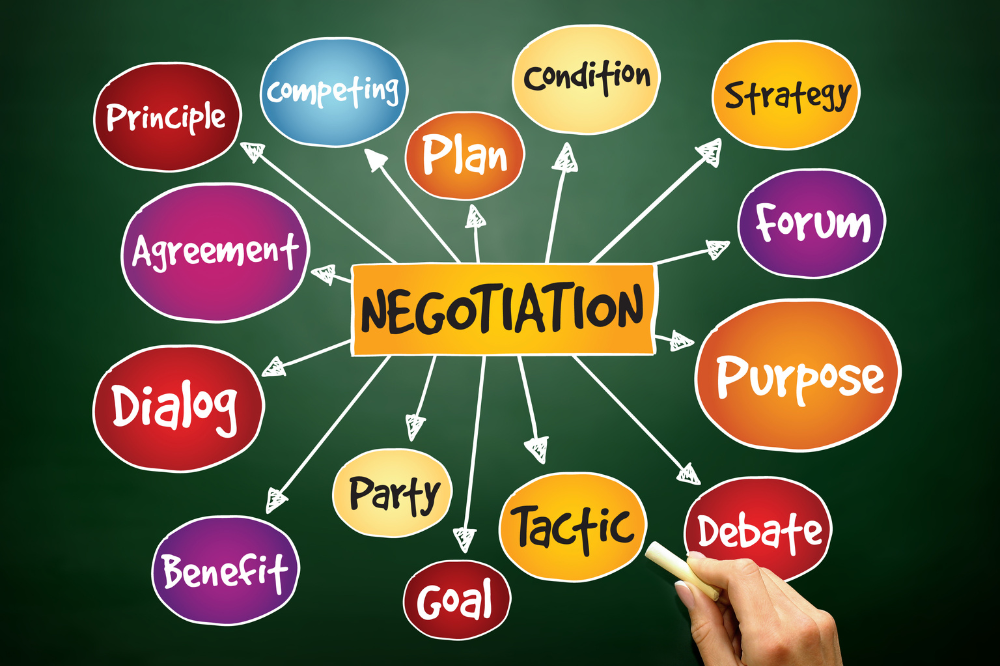
1. Research your opponent and understand their negotiating style.
2. Get organized and develop a clear strategy before entering into negotiations.
3. Come to the negotiating table prepared to compromise.
4. Be assertive, but not aggressive, during negotiations.
5. Listen carefully and try to see things from your opponent’s perspective.
6. Be willing to walk away from the negotiating table if necessary.
7. Understand the difference between needs and wants.
8. Focus on creating a win-win solution.
9. Use power wisely during negotiations.
10.Keep your cool and maintain your composure throughout the negotiation process.
In any negotiation, it’s essential that you remain relentless. This means being laser focused on getting what you want and not giving up until you get it. It can be easy to give in to the other side when they are being difficult, but if you really want to succeed, you need to maintain your composure and keep fighting for what you want. There are a few key reasons why being relentless is so important in negotiation.
First, it shows the other side that you are serious about getting what you want. If you give up easily, they will know that they can push you around and walk away with the better deal. Second, it puts pressure on the other side to make concessions. They may not be happy about it, but they will be more likely to give in if they see that you’re not going to budge. Finally, it helps to build trust between the two sides.
If you’re able to come to an agreement despite some tough bargaining, it will show that you’re reliable and trustworthy – both important qualities in any negotiation. So next time you’re at the bargaining table, remember to be relentless in your pursuit of a successful outcome.
Before you enter into any negotiation, it is important to know your worth. This means understanding the value you bring to the table and being confident in your ability to deliver on that value. Otherwise, you risk leaving money on the table or accepting less than you deserve. One way to determine your worth is to look at your past performance. What revenue have you generated for your company? What savings have you been able to achieve? What value have you added through your work?
This will give you a good starting point for negotiating your salary, bonuses, and other compensation. Remember, though, that your worth is not just about numbers. It is also about the quality of your work and the contributions you make to your team. So don’t be afraid to highlight your successes and emphasize what makes you unique. When you know your worth, you will be able to confidently negotiate for the compensation you deserve.

Worth is an important concept in negotiation. When you think about what something is worth, you are really thinking about its value. Value can be measured in different ways, but it always comes down to how much revenue or money you are willing to give up in exchange for something. That’s why it’s so important to have a clear goal in mind before you begin any negotiation.
What is your bottom line? How much are you willing to give up? Once you know your worth, you can enter into negotiations with confidence, knowing that you will walk away if the other person isn’t willing to meet your needs. It’s also important to remember that worth is not static. Just because you may have been willing to accept a certain offer in the past doesn’t mean that you have to do so again. Life circumstances change, and so do our needs. The next time you’re in a negotiation, make sure you know your worth and stick to it.
Negotiation is a fact of life. Whether you’re haggling over the price of a car or trying to get a higher salary, the ability to negotiate effectively can make a big difference in your life. The key to successful negotiation is to stay calm and be polite. It’s also important to remember that you’re not the only person involved in the negotiation. The other side also has something to gain or lose, so it’s important to be respectful of their position. With that said, there are some tips that can help you get the most out of a negotiation.
First, it’s important to have a clear idea of what you want. If you’re unclear about your goals, it will be difficult to convince the other side to give you what you want. Second, don’t be afraid to walk away from the negotiation if it isn’t going your way. Sometimes, the best way to get what you want is to show that you’re willing to walk away from the deal. Finally, remember that every negotiation is different. What works in one situation may not work in another. The ability to adapt and adjust your approach is essential for successful negotiation.
Successfully negotiating a deal requires confidence and perseverance. It’s important to remember that you are not alone in the negotiation process. You are representing your team or group, and you owe it to them to secure the best possible outcome. This doesn’t mean that you should be inflexible, but it does mean that you should be willing to stand your ground. Backing down too easily can send the wrong message and jeopardize the deal. If you are committed to getting a good result, you will be more likely to reach an agreement that is acceptable to all parties involved.
In any negotiation, it is important to be prepared to walk away from the table. This commitment conveys to the other party that you are serious about the matter and willing to force them to meet your demands. However, this does not mean that you should rashly threaten to walk away at the first sign of disagreement. Not only is this likely to damage the relationship, but it could also end up costing you more in the long run. Instead, you should only walk away from a negotiation if you are confident that you have made a fair offer and that the other party is unreasonable. By being prepared to walk away, you will increase your chances of achieving a successful outcome.
When it comes to health insurance, there are a lot of variables to consider. Costs can vary widely depending on the type of coverage you need, and it can be difficult to know what you’re really getting for your money. However, by taking the time to negotiate your health insurance, you can ensure that you’re getting the best possible coverage at a price you can afford. The key is to recognize the full range of options available to you and to understand what each one will cost. Once you have a good understanding of the market, you’ll be in a much better position to negotiate a policy that meets your needs and budget. With a little effort, you can find a health insurance plan that provides the coverage you need at a price you can afford.
Make a list of the medical services and treatments you and your family regularly use. This will help you determine which health insurance plan is right for you.
Health insurance plans vary in cost, so it’s important to find one that fits your budget. Be sure to consider the deductible, copayments, and other out-of-pocket costs associated with each plan.
There are a variety of health insurance plans available, so be sure to compare them before making a decision. Some plans may offer more coverage than others, so it’s important to choose the plan that’s right for you.
Health insurance companies are willing to negotiate, so don’t be afraid to ask for a better deal. Be prepared to explain your needs and why you deserve a lower rate.
There are a number of resources available to help you choose the right health insurance plan. If you’re not sure where to start, contact your state’s insurance department or a local consumer advocacy group.
Job negotiation is the process of discussing the terms of employment with a prospective employer. The goal of job negotiation is to secure a job offer that meets or exceeds your expectations in terms of salary, benefits, and job duties. To be successful in job negotiation, you need to be prepared to discuss your qualifications, accomplishments, and goals with a potential employer.
You should also be prepared to make a case for why you deserve more money or better benefits than what the employer is offering. If you are able to effectively negotiate your job offer, you will be more likely to receive a job offer that meets your needs and expectations.
Prior to entering into any negotiation, it is critical that you first take the time to understand what you want out of the situation. What are your goals and objectives? What are your bottom lines? Knowing what you want beforehand will help you to stay focused during the negotiation process and not be swayed by other factors.
Once you know what you want, it is important to do your research and be prepared with as much information as possible. This means knowing the facts and figures related to your goals, as well as understanding the other party’s position. The more prepared you are, the more confidence you will have during the negotiation.
Effective communication is essential in any negotiation. Make sure that you are clear about what you want and that you listen to what the other party is saying. If there is any misunderstanding, it can quickly derail the entire process.
It is important to be assertive during a negotiation, but you also need to strike the right balance. If you are too aggressive, it could put the other party on the defensive and make them less likely to compromise. On the other hand, being too passive will likely result in you not getting what you want.
As mentioned above, it is important to know your bottom line before entering into any negotiation. This is the absolute minimum that you are willing to accept. If the other party is not willing to meet your bottom line, then you need to be prepared to walk away.
Successfully negotiating a salary, benefits, or contract can be the difference between getting what you want and leaving money on the table. If you’re not confident in your negotiation skills, it’s important to find someone who can help you get the best possible deal. This could be a friend or family member who is experienced in negotiation, or even a professional negotiation coach. Having someone in your corner who knows how to negotiate can make a big difference in the outcome of your negotiations. So if you’re not good at negotiation, don’t hesitate to ask for help from those who are.
This is because if you’re up against someone who is good at negotiation, they will likely take advantage of you. Keep in mind that the most powerful negotiating tool is also the simplest one to learn and use. Therefore, don’t underestimate the importance of negotiation skills.
When it comes to negotiating, one of the most important things you can do is learn to say no. While it may seem counterintuitive, saying no to an initial offer can actually put you in a stronger position. This is because first offers are rarely something that a seller or buyer expects to get a yes to anyway. By saying no, you signal that you are not desperate and that you are willing to walk away from the deal if necessary. This can give you more leverage when it comes time to discuss terms. So, next time you are faced with an initial offer, remember to keep calm and just say no.
When it comes to negotiation, being relentless can pay off in a big way. Here are three benefits of being relentless in negotiation:
If you’re not afraid to walk away from a deal, you’re more likely to get the terms you’re looking for.
This can be helpful in future negotiations, as people will be more likely to take you seriously and give you what you want.
Negotiation is a great way to test your limits and see how far you’re willing to go to get what you want.
So, if you’re looking to get ahead in negotiation, being relentless is the way to go. Just make sure you know your limits, or you could end up with a bad deal.
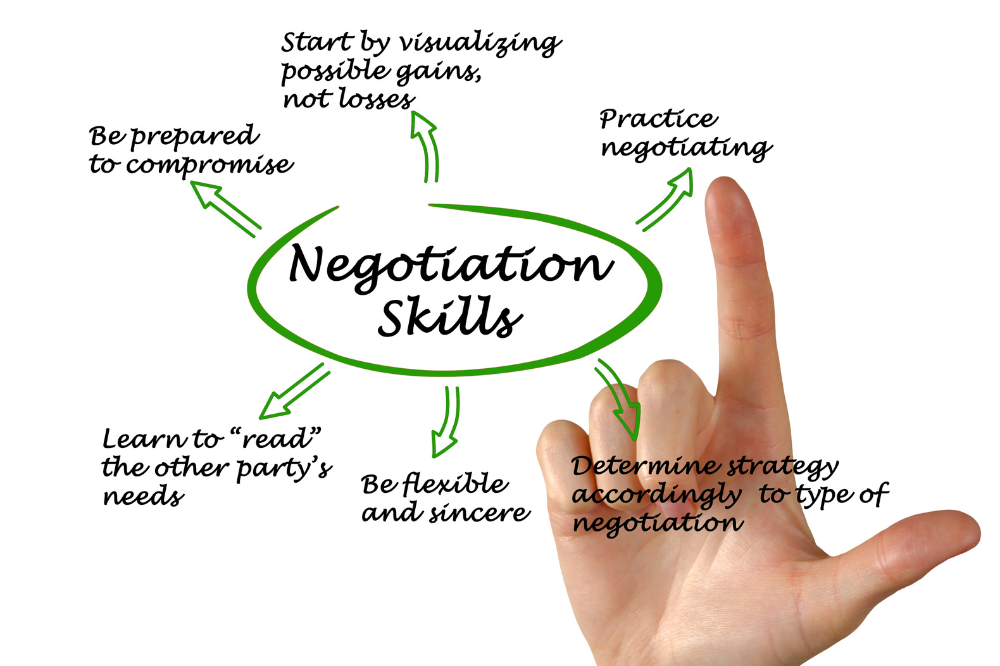
In order to be successful in any field, it’s important to learn the art of negotiation.
There are certain steps that one can take to become a more effective negotiator. One must be relentless when negotiating as there will always be someone on the other side who is looking to get the best deal for themselves. “Know your worth” is another key factor in being successful during a negotiation. It’s also important to have a clear goal in mind and stay calm while doing so.
We hope you found this article helpful. If you would like to learn more about how to be an effective negotiator, I suggest reading my book or signing up for the newsletter. In these resources, we go into further detail about the steps you can take to improve your skills and get what you want out of any negotiation. Thanks for reading!
Most of us are familiar with the gut instinct – that feeling you get in your gut that tells you something is right or wrong. This is just one example of an instinct or an innate behavior that is hardwired into our brains. Instincts are often unconscious behaviors that we perform without thinking, like reflexes. But they can also be things that we do consciously, like reaching for a cup of coffee first thing in the morning.
While instincts can be helpful in some situations, they can also lead us astray. This is because our gut instincts are often based on past experiences and biases that may no longer be relevant. For example, if you grew up in a neighborhood where everyone was friendly, you might have a gut instinct to trust people. But if you move to a new city where crime is more common, that gut instinct might no longer serve you well.
The bottom line is that it’s important to be aware of your instincts and their potential biases. If you’re constantly second-guessing your gut, it can be helpful to step back and ask yourself why you’re feeling that way. Is it based on past experience? Is it something you’re aware of consciously? Or is it just a gut feeling? Once you’ve identified the source of your instinct, you can make a more informed decision about whether or not to act on it.
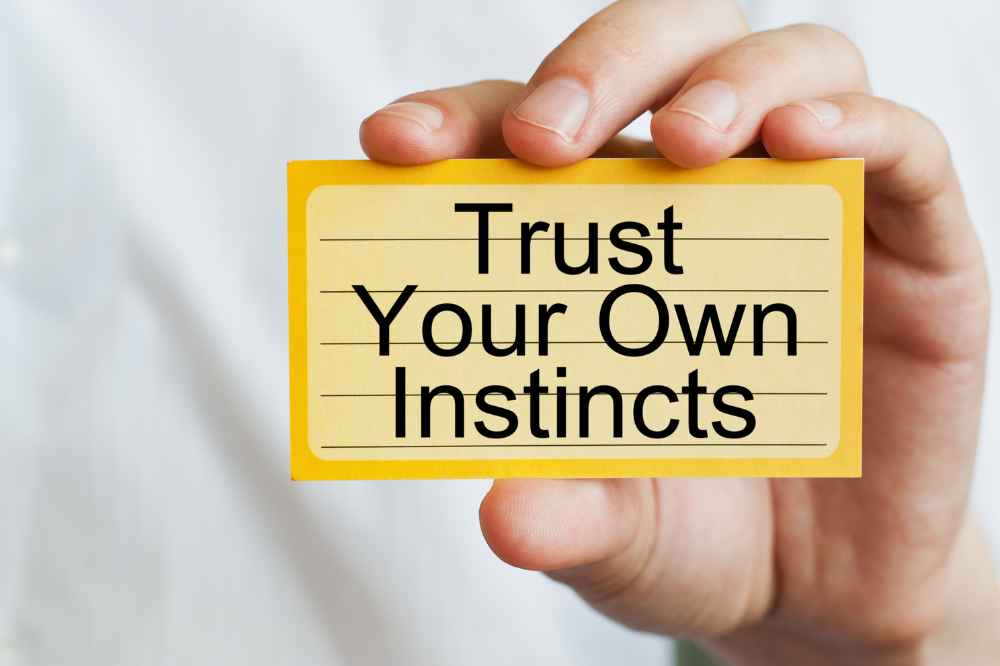
In a world where we are constantly bombarded with information, it can be difficult to know what to believe. We are inundated with news and opinions, and it can be hard to sort out the facts from the noise. In these times of uncertainty, it is more important than ever to trust your instincts. Your gut feelings are your subconscious mind’s way of trying to send you a message. By paying attention to these gut feelings, you can gain a better understanding of your own inner voice. This inner voice is your conscience, and it can guide you through the decision-making process.
However, it is important to be aware of the difference between your gut feelings and your conscious thoughts. You should listen to your gut feelings when they come up, but you should also use your conscious mind to make sure that you are not being influenced by outside forces. When you trust your instincts, you can make better decisions and create a life that is in line with your true desires.
Intuition is a powerful tool that can help us make better decisions, connect with our subconscious minds, and tap into our creative potential. But how do we know if we’re intuitively feeling something, or if we’re just thinking it? One way to tell the difference is to pay attention to your body. Intuitive feelings are often accompanied by a physical sensation, such as a tingling in your gut or a sense of knowing.
Our subconscious mind is also very powerful, and it can give us clues through our dreams and hunches. If you’re not sure whether something is coming from your intuition or not, take some time to sit with the feeling and see if it persists. With practice, you’ll develop a better understanding of your intuition and learn how to use it in your everyday life.
Our five senses are the primary way we interact with the world around us. But did you know that we also use our nervous system and intuitive thinking to process information and make decisions? This is why we sometimes get gut feelings or have conscious awareness even when we can’t explain why.
The nervous system is the body’s electrical wiring. It consists of the brain, spinal cord, and nerves. The nervous system transmits signals between the body and the brain. It also regulates automatic functions like breathing and digesting food.
Intuitive thinking is a type of non-conscious decision-making. It happens when we automatically know something without being able to explain how we know it. For example, you might suddenly have a feeling that you should avoid a certain person or place. This is because your nervous system has quickly processed information and come to a conclusion without your conscious awareness.
Gut feelings are another type of intuitive thinking. They often happen when we’re faced with an important decision. For example, you might have a strong feeling that you should take a new job even though it pays less money than your current job. This is because your nervous system has quickly processed all the available information and come to a conclusion based on your values and goals.
Conscious awareness is when we’re aware of something without being able to explain how we know it. For example, you might be driving home from work and suddenly realize that you forgot to turn off the oven. This is because your nervous system has quickly processed all the available information and come to a conclusion without your conscious awareness.
Our five senses are just one way we interact with the world around us. By understanding how our nervous system and intuitive thinking work, we can make better decisions and tap into our intuition more often.
It’s been said that we have two brains: one in our head, and one in our gut. The so-called “gut feeling” is a real phenomenon, and conscious awareness can have a significant impact on it. Gut feelings are created by the enteric nervous system, which is a network of nerves that runs through the gastrointestinal tract. This system is constantly sending information to the brain, and conscious awareness can influence the messages that it sends. For example, if you’re anxious about an upcoming event, you may be more likely to experience stomach pain or nausea.
On the other hand, if you’re feeling happy and relaxed, your gut may be more likely to send positive signals to your brain. In other words, conscious awareness can affect gut feelings in both positive and negative ways. The next time you have a gut feeling, take a moment to think about what might be causing it. You may be surprised at how accurate your intuition can be.
Body awareness is the practice of turning your attention inward to tune into physical sensations and emotional biases that may be impacting your decision-making. When it comes to picking up patterns and behaviors, following your heart can be helpful. This means listening to what your body and intuition are telling you, rather than deferring to logic or outside opinion. Paying attention to physical sensations can help you to identify when something feels “off” or out of alignment.
And emotional biases can provide valuable information about your own needs and desires. Trusting your heart doesn’t mean making rash decisions – it simply means being open to the guidance that your own body and intuition can provide.
Go with your gut feeling.
Go with what you feel in your heart.
Go with your instinct.
Go with your first choice.
Go with your best guess.
Go with what feels right.
Go with your hunch.
Go with what you know.
Go with what you’ve been told.
Go with the flow.
Go with the trend.
Go against the grain.
Go off the beaten path.
Go your own way.
Go against the status quo. Blaze your own trail set yourself apart. Stand out from the rest. be different.
Trust your gut. Listen to yourself always stay strong and never give up on yourself.
Your intuition is powerful. You know more than you think you do. You have all the answers you need within you. All you need to do is listen to your heart, follow your intuition and trust yourself. Follow your dreams and pursue your passions. Do what makes you happy and never settle for anything less than what you deserve
If it feels right, go for it! You won’t regret it! Taking risks is scary, but sometimes it’s worth it because it can lead to rewards that are even better than you could have imagined! So go ahead, listen to your heart and go with your gut feeling! You might just be surprised at where it takes you!
We all like to think that we know what’s best. After all, who knows better than ourselves, right? However, sometimes the things we think we know to turn out to be wrong. Why does this happen? Judgment is the act of forming an opinion or making an assessment about something. We use our judgment all the time, often without even realizing it. And while judgment can be helpful in some situations, it can also lead us astray.
The next time you find yourself doubting your instincts, ask yourself if the judgment is playing a role. If it is, let go of what you think you know and trust your gut instead. You just might be surprised by the result.
It’s important to be aware of patterns and behaviors in both our personal and professional lives. When we’re conscious of the patterns that tend to emerge, we can make choices that align with our values and achieve our goals. In business, for example, we may notice patterns in customer behavior or product demand. By paying attention to these patterns, we can make better decisions about inventory management and marketing strategy. intuition also plays an important role in pattern recognition. If we trust our gut instinct, we may be able to avoid some costly mistakes. By remaining aware of the patterns that surround us, we can make more informed choices and create a more positive future for ourselves and those around us.
Much of our lives is spent on autopilot, reacting to the world around us in ways that are deeply ingrained. While this can be helpful in some situations, it can also lead us to behave in ways that are harmful or counterproductive. If we want to make positive changes in our lives, it is important to become more aware of the patterns and behaviors that shape our responses to the world around us.

One way to do this is to pay attention to our triggers – the people, places, things, or situations that cause us to react automatically. Once we are aware of our triggers, we can begin to question our reactions and explore new, more productive ways of responding.
Another way to become more aware of our patterns and behaviors is to keep a journal. Recording our thoughts and feelings on a regular basis can help us to see the connections between our behavior and our innermost selves. By taking the time to become more aware of the patterns that govern our lives, we can open up the possibility for positive change.
It’s often been said that the best way to learn something is to observe it for yourself. This is especially true when it comes to making decisions. Every day, we’re faced with countless choices, big and small. And while we may not always realize it, our observations play a big role in how we make those decisions.
In many cases, our observations can help us to identify potential problems or opportunities that we might otherwise miss. For example, let’s say you’re considering starting a new business. If you take the time to observe the market and your potential competitors, you’ll be able to gather valuable information that can help you make a more informed decision.
Similarly, if you’re faced with a difficult choice, observing your own behavior and reactions can be helpful. Pay attention to how you feel after making a particular decision, and whether or not it was the right choice for you. Over time, you’ll start to develop a better sense of what works for you and what doesn’t.
So the next time you’re facing a tough decision, remember to use your observations to help guide you. It could make all the difference in the outcome.
If you feel a strong sense of unease or danger, it’s important to listen to your body and act accordingly.
Sometimes our mind can talk us out of trusting our instincts, but it’s important to go with your gut feeling regardless.
Another pro tip, follow your heart. If something feels right to you, don’t second-guess it, just go for it. Trusting your instincts can be a scary thing, but ultimately it’s the best way to live your life. Follow your heart and intuition, and you’ll be sure to find happiness and success.
Intuition is a powerful thing, so don’t be afraid to follow its lead.
In order to really tune into your intuition, it’s important to take some time for yourself to relax and clear your mind.
Pay attention to the thoughts that are running through your head, as they can often be a guide to what your intuition is trying to tell you.
Dreams can be a great way to gain insight into your subconscious mind, so pay attention to them and see what messages they may be trying to send you.
Sometimes our intuition will try to guide us in a certain direction, but we may not be ready or willing to listen. If you’re open to the guidance of your intuition, you’ll be more likely to hear its voice.
At the end of the day, it’s important to trust your intuition and go with your gut feeling.
Believe in yourself and your ability to follow your intuition, and it will guide you well.
Intuition is a funny thing. It’s that nagging feeling you get in the back of your mind that tells you something is off, even when you can’t quite put your finger on what it is. Usually, your intuition is trying to tell you something important, so it’s important to listen to it. However, there are times when it can be hard to figure out what your intuition is trying to tell you.
If you’re not sure what your intuition is telling you, there are a few things you can do.
First, try to pay attention to the physical sensations you’re experiencing. If you feel queasy or uncomfortable, there’s a good chance your intuition is trying to warn you about something. Second, trust your gut instinct. If something feels wrong, it probably is.
Finally, don’t be afraid to ask for help from someone you trust. Sometimes it takes another person to help us see what our intuition is trying to tell us.
Intuition is a powerful thing. It’s that little voice inside your head that tells you when something feels off, or that you’re about to make a big mistake. But as any wise person knows, it’s important to know when to listen to your intuition and when to ignore it. There are times when intuition can lead you astray, such as when you’re feeling emotional or when you’re trying to rationalize a bad decision. In these cases, it’s important to take a step back and listen to what others have to say.
Other people can offer valuable perspectives that help you see things in a new light. They can also help to provide impartiality and objectivity when you’re too close to the situation. So next time your intuition is telling you something, pause and consider whether it’s worth listening to or not. Chances are, if it feels truly important, someone else will be saying the same thing.
Most people think of intuition as something that can’t be developed. They either have it or they don’t. But that’s not actually true. Just like any other skill, intuition can be developed with practice and intention. And the more you develop your intuition, the better you’ll become at using it in your everyday life.
Here are a few ways to help develop your intuition even more:
1. Pay attention to your gut feelings. If something doesn’t feel right, trust that feeling and stay away from it.
2. Meditate regularly. This will help quiet your mind and allow you to listen to your intuition more easily.
3. Practice visualizing what you want. The more detailed and specific you can be, the better. This will help train your mind to focus on what’s important to you, and you may start receiving messages from your intuition about how to achieve it.
4. Keep a journal of your intuitive hits. When you have a hunch about something that turns out to be correct, write it down! This will help reinforce the fact that your intuition is real and can be trusted.
5. Be open to guidance from others. Sometimes our intuition speaks to us through other people. If someone gives you advice that resonates with you, even if you don’t know why trust it and see where it leads you.
Intuition is a powerful tool that we all have access to. By developing our intuition, we can make better decisions, find guidance in difficult times, and create the life we want to live.
Mindfulness meditation is a mindfulness-based stress reduction technique that is practiced by tens of thousands of people all over the world. The goal of mindfulness meditation is to focus one’s attention on the present moment and to become aware of thoughts, emotions, and sensations without judgment. Mindfulness meditation has been shown to reduce stress, anxiety, and depression, and it can also help to increase focus and concentration. There are many different ways to practice mindfulness meditation, but one of the simplest methods is to sit in a comfortable position with your eyes closed and focus on your breath.
Once you have settled into a comfortable position, simply observe your breath without trying to control it. If your mind begins to wander, simply bring your attention back to your breath. Over time, you will find that mindfulness meditation becomes easier and more natural.
It’s easy to get caught up in what other people think we should do or what’s ‘practical.’ But if we always go with the flow, we’ll never end up where we truly want to be. Our instincts are there for a reason – they guide us towards what’s best for us. So, if you have a burning desire to do something, go for it! Don’t let anyone talk you out of it. Of course, that doesn’t mean being reckless – but it does mean following your heart. After all, it knows what you want better than anyone else does. Trusting your instincts is the first step to achieving your dreams.
This is what I (Brian Will) did and now I am here able to share 37 millionaire business ideas ????
Trusting your instincts and learning to read the patterns and behaviors around you is a powerful combination. It can help you make better decisions, get what you want in life, and be successful. I know this from personal experience. If you’d like to learn more about how I used my intuition and awareness of patterns and behaviors to achieve success, pick up a copy of my book.
In my book, I share more about how I developed intuition and instincts over time and how you can use this knowledge to your advantage. I also talk about the importance of sticking with it even when things get tough. If you’re interested in learning more about using your intuition and understanding patterns and behaviors, must check out my book. It is filled with experiences and techniques that will help you trust yourself more every day in taking decisions.
 Copyright © 2023 – 2026 Brian Will Media. All Rights Reserved.